
Why Is Henna Powder Becoming a Preferred Ingredient for Natural Beauty and Hair Care Products?
Sep 17, 2026
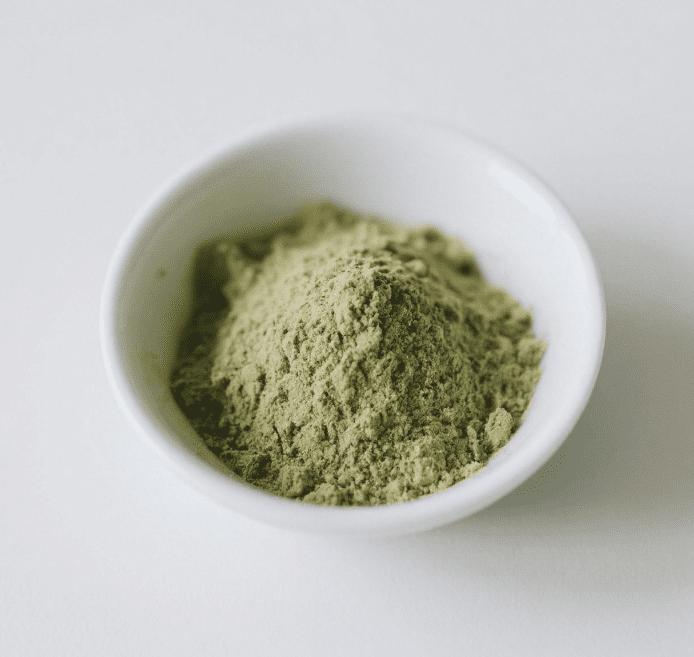
Xian, Shaanxi Sep 17, 2026 (Issuewire.com) - As the global beauty industry continues to shift toward plant-based and naturally derived ingredients, Henna Powder has gained renewed attention among cosmetic brands, hair care manufacturers, and ingredient buyers. While henna has been used for centuries in traditional beauty rituals, modern product developers are now exploring its potential in innovative formulations that meet today's consumer demand for clean-label and botanical products.
From herbal hair masks and natural hair coloring products to botanical personal care formulations, Henna Powder offers manufacturers a versatile ingredient with a rich cultural history and broad commercial value. This article explores why Henna Powder remains a popular choice and what businesses should consider when sourcing this botanical raw material.
What Is Henna Powder?
Henna Powder is made from the dried leaves of Lawsonia inermis, a flowering shrub that grows in tropical and subtropical regions. After harvesting, the leaves are carefully dried and finely milled into a powder suitable for cosmetic and personal care applications.
The leaves naturally contain lawsone (2-hydroxy-1,4-naphthoquinone), a pigment responsible for henna's characteristic coloring properties. Depending on the quality of the raw material and processing methods, Henna Powder may vary in color, fineness, and active compound content.
For manufacturers, selecting high-quality Henna Powder is essential for ensuring consistent product performance and consumer satisfaction.
Why Is Consumer Demand for Henna Powder Growing?
Modern consumers are paying closer attention to ingredient labels than ever before. Products formulated with botanical ingredients often appeal to individuals seeking naturally inspired beauty solutions.
Henna Powder aligns well with this trend because it is plant-derived and has a long history of traditional use. Rather than relying solely on synthetic ingredients, many brands are incorporating henna into formulations that emphasize natural origins and botanical heritage.
The growing popularity of herbal cosmetics, clean beauty products, and naturally inspired hair care has further increased demand for premium-quality Henna Powder.
How Is Henna Powder Used in Hair Care Formulations?
Hair care remains the primary application for Henna Powder.
Manufacturers commonly use it in herbal hair masks, hair conditioning treatments, botanical shampoos, scalp care products, and natural hair coloring formulations. Because Henna Powder is compatible with many botanical ingredients, it can also be blended with herbal extracts to create customized formulations.
Its fine texture allows for good dispersion during production, making it suitable for both industrial manufacturing and smaller-scale cosmetic production.
As consumer interest in botanical hair care continues to expand, Henna Powder is expected to remain an important ingredient in future product development.
Can Henna Powder Be Used Beyond Hair Care?
Although Henna Powder is best known for hair applications, its commercial uses extend much further.
Many cosmetic brands incorporate it into body art products, facial masks, herbal soaps, and botanical skincare formulations. DIY beauty products have also contributed to increasing demand for cosmetic-grade Henna Powder.
For product developers, henna provides an opportunity to create botanical product lines that emphasize naturally sourced ingredients and traditional beauty concepts.
The flexibility of Henna Powder allows manufacturers to explore different product categories while maintaining a consistent botanical identity across their brands.
What Determines the Quality of Henna Powder?
Not all Henna Powder is produced to the same standard.
The quality of the finished product depends on multiple factors, including plant variety, cultivation conditions, harvesting practices, drying methods, grinding technology, and storage conditions.
High-quality Henna Powder generally features a fine particle size, natural green appearance, uniform consistency, and low moisture content. Reliable manufacturers also conduct quality testing to help ensure microbiological safety, heavy metal compliance, and batch consistency.
Choosing a professional supplier helps buyers reduce quality variation and improve manufacturing efficiency.
Why Is Supply Chain Reliability Important?
For manufacturers producing cosmetic products on a commercial scale, ingredient consistency is just as important as ingredient quality.
A reliable supplier should provide stable production capacity, standardized manufacturing procedures, and clear product specifications. Consistent raw materials help manufacturers maintain product quality across multiple production batches.
In addition, international buyers often require flexible packaging options, export documentation, and responsive technical support throughout the purchasing process.
Long-term cooperation with an experienced supplier can significantly improve procurement efficiency and product development.
Our Henna Powder Solutions
At Shaanxi Ruiwo Phytochem, we specialize in supplying premium-quality Henna Powder to customers around the world.
Our production process emphasizes careful raw material selection, standardized manufacturing, and comprehensive quality control. We understand that different industries require different specifications, and we work closely with customers to provide products that meet their formulation requirements.
Whether you are manufacturing herbal hair care products, botanical cosmetics, personal care products, or private-label beauty brands, our team can provide professional ingredient solutions, customized packaging, and reliable global supply services.
Henna Powder continues to play an important role in the evolving natural beauty industry. Its botanical origin, traditional heritage, and compatibility with modern cosmetic formulations make it a valuable ingredient for manufacturers seeking naturally inspired product concepts.
As consumer demand for plant-based cosmetics continues to grow, businesses that choose high-quality Henna Powder from reliable suppliers will be well positioned to develop innovative products that meet both market trends and customer expectations.
Whether used in hair care, cosmetics, or personal care products, Henna Powder remains one of the most versatile botanical ingredients available for today's beauty industry.
- Rashid, M., et al. Plant-Based Cosmetic Ingredients: Recent Advances in Herbal Personal Care Products. Cosmetics, 2023.
Alqurashi, R. M., et al. Natural Botanical Ingredients in Hair Care Formulations: A Comprehensive Review. Plants, 2023.
Patel, S., & Singh, P. Herbal Ingredients in Modern Cosmetics: Trends, Safety, and Industrial Applications. Cosmetics, 2024.
Kumar, V., et al. Emerging Applications of Lawsonia inermis in Cosmetic and Personal Care Products. Journal of Herbal Medicine, 2025.
Media Contact
Shaanxi Ruiwo Phytochem Co., Ltd.
0086-29-89860070
Source :Shaanxi Ruiwo Phytochem Co., Ltd.
This article was originally published by IssueWire. Read the original article here.
More News










![[READOUT] Where businesses can plug into the Luzon Corridor](https://www.rappler.com/tachyon/2026/09/image-23.png?resize=75%2C75&crop_strategy=attention)

/file/publisher-c1a3f893382d2b2f8a9aa22a654d9c97/2026/07/47d840e9a7348bd1a114851f2922127b.jpg)












_2026_09_17_16_43_40.jpg)










/file/attachments/orphans/2b_573707.png)


YOUR NEWS, OUR NETWORK.
Do you have Great News you want to tell the world?
Be it updates about your business or your community, you can make sure that it’s heard by submitting your story to our network reaching hundreds of news sites across 6 verticals.